


Public health notice: Outbreak of E. coli infections linked to Pillsbury brand Pizza Pops
December 22, 2025: Original Notice
OTTAWA, ON, Dec. 22, 2025 /CNW/ -
This outbreak investigation is ongoing. The public health notice will be updated as the investigation evolves.
At a glance
Do not consume, use, sell, serve or distribute recalled Pillsbury brand Pizza Pops.
Outbreak details | |
Illnesses | 20 |
Provinces and territories with illnesses (number of illnesses) |
|
Hospitalizations | 4 |
Deaths | 0 |
Gender | 50% female |
Age range | 1 to 87 |
Food Recall | Yes Certain Pillsbury brand Pizza Pops Pepperoni + Bacon recalled due to E. coli O26 |
Investigation status | Active |
Recalled food
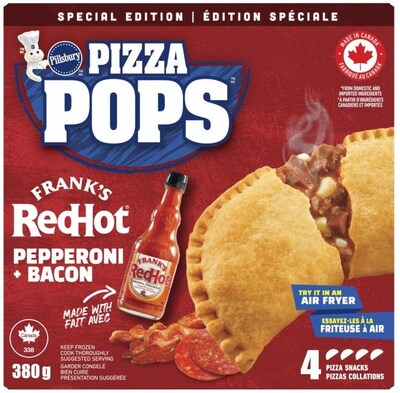
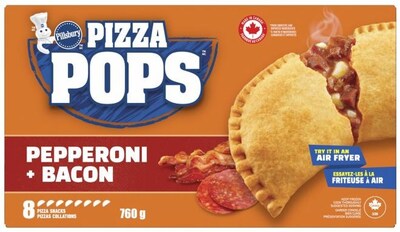
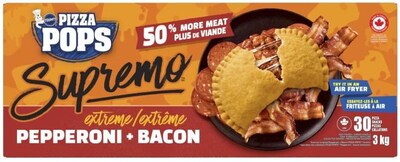
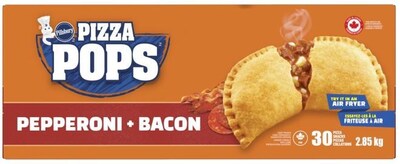
A food recall warning has been issued for certain Pillsbury brand Pizza Pops:
- Pepperoni + Bacon (30 pizza snacks)
- Pepperoni + Bacon (8 pizza snacks)
- Supremo Extreme Pepperoni + Bacon (30 pizza snacks)
- FRANK's RedHot Pepperoni + Bacon (4 pizza snacks)
For more information on the recalled products, including all product names, descriptions and lot codes, please consult the CFIA's notices on the Recalls and Safety Alerts website.
How to protect your health
E. coli infections are bacterial illnesses that can affect anyone exposed to a contaminated food product.
People who are infected with E. coli bacteria can spread the bacteria to other people several days to several weeks after they have become infected, even if they don't have symptoms.
The following advice applies to individuals, as well as retailers, distributors and food service establishments, such as grocery stores across Canada:
- Check to see if you have the recalled product(s) in your home or establishment by looking for the specific product name and size, UPC and codes in the recall alert.
- Do not consume, serve, use, sell or distribute recalled products.
- Throw out or return recalled products to the place of purchase. Consumers or establishments who are unsure if they have purchased the recalled products are advised to contact their retailer or supplier where the products were purchased.
- Clean and sanitize all surfaces and storage areas that recalled products may have come in contact with, including countertops, containers, utensils, freezers, and refrigerators.
- Do not cook food for other people if you've been diagnosed with an E. coli infection or have symptoms of infection such as diarrhea.
- Contact your health care provider if you think you're experiencing symptoms of E. coli.
For general use of frozen foods, like Pizza Pops, the following advice can help prevent illness:
- Some frozen foods are not ready-to-eat products. They must be cooked thoroughly before they are safe to eat. Always follow the cooking instructions on the packaging.
- Wash your hands with soap and warm water for at least 20 seconds before and after handling frozen food that is not ready to eat.
- Clean and sanitize any surfaces that touched the frozen food or its packaging, such as countertops, containers, utensils, freezers, and refrigerators.
Most people who become ill from an E. coli infection will recover fully, after a few days, without treatment, but infection can also cause severe illness and hospitalization.
Those at higher risk for serious illness include:
- people who are pregnant
- children ages 5 and under
- people with weakened immune systems
- adults ages 60 and over
Symptoms
E. coli infections have a wide range of symptoms. You may not get sick at all. However, if you do get sick, symptoms usually start within 1 to 10 days after exposure to E. coli bacteria.
You may experience:
- nausea
- vomiting
- headache
- mild fever
- severe stomach cramps
- watery or bloody diarrhea
Most symptoms end within 5 to 10 days.
While most people recover completely on their own, some people may have a more serious illness that:
- requires hospital care
- may lead to long-lasting health effects or death
E. coli (Escherichia coli) infection
Food safety for vulnerable populations
Investigation summary
There are 20 laboratory-confirmed cases of E. coli O26:H11 illnesses linked to this outbreak in:
- British Columbia (3)
- Alberta (9)
- Saskatchewan (5)
- Ontario (2)
- New Brunswick (1)
People became sick between early October and late November 2025. Of the cases reported, four people have been hospitalized and there have been no deaths. People who became sick are between 1 and 87 years of age. An equal number of females and males became sick.
Many people who became sick reported eating or handling Pillsbury brand Pizza Pops. The investigation is ongoing and it is possible that additional sources may be identified.
More recent illnesses may continue to be reported because there is a period between when a person becomes sick and when the illness is reported to public health officials. It can take more than a month from the time someone gets sick, sees a doctor, gets tested, and has their results confirmed. For this outbreak, the illness reporting period is between 15 and 32 days after illness onset.
This notice only includes laboratory-confirmed cases. The actual number of sick people in Canada is likely much higher. Many people have mild symptoms and don't go to the doctor, so they aren't tested. Researchers estimate that for each case of E. coli non-O157 reported to public health, there are 32 more cases that are not reported.
Related links
- Certain Pillsbury brand Pizza Pops Pepperoni + Bacon recalled due to E. coli O26
- Risks of E. coli (Escherichia coli) infection
- Safe food handling practices
- Email subscription service for Public Health Notices
- Recall subscription service
SOURCE Public Health Agency of Canada